


Mobile Adventures
3.246.00 Reviews
App Specs
- Version
- 4.6.0
- Updated On
- License
- Free
- Downloads
- 100,000+
- Developer
- Mobile Adventures
- Categories
- Trivia
- Platform
- Android
Screenshots
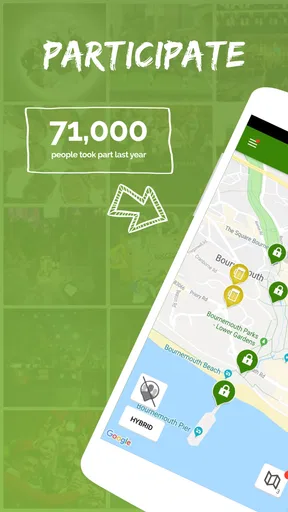

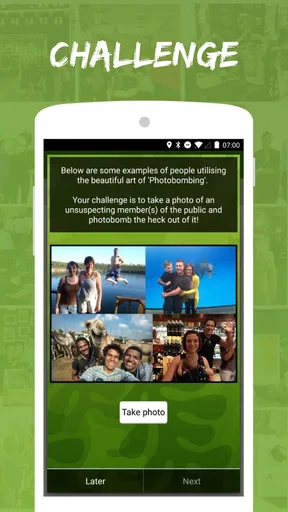

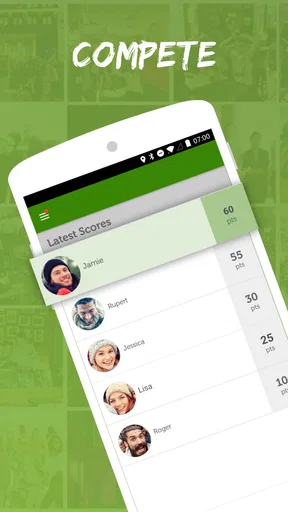
 Analysis by AppCompare
I found Mobile Adventures most interesting when I treated it as a social trivia game rather than as a deep solo challenge. Developed by Mobile Adventures, it is built around the idea of bringing a team experience to a phone, and that distinction matters. The fun depends less on quietly working through questions alone and more on having people nearby who are willing to compare answers, argue over guesses, and keep the mood light.
That makes it a useful choice for a casual gathering, a family break, or a small group looking for something more interactive than taking turns on a standard quiz app. It is free, suitable for Everyone, and has been available since February 19, 2014, so it is not a new experiment. At the same time, its average rating of 3.2 from roughly 568 ratings suggests a mixed experience rather than a universally polished one. My overall impression is that the game can create a good shared moment, but it needs the right setting and expectations.
How the game feels today
The strongest part of Mobile Adventures is its social purpose. A normal trivia app often turns into a private contest: one person holds the phone, answers quickly, and moves on. This game is better approached as a prompt for conversation. I would put it in the middle of a table, invite everyone to commit to an answer before revealing anything, and use disagreements as part of the entertainment instead of treating every question as a serious test.
That approach also explains why the experience may feel uneven from one session to another. With an engaged group, even a question that seems simple can lead to a funny debate. With only one person playing, or with a group that wants a highly competitive quiz environment, the same format may feel less rewarding. The game’s value is therefore not just in the question content; it is in how well it supports the people using it together.
I would not choose it expecting a large, constantly evolving trivia platform. Its current version is 4.6.0, and the product has the character of an established, focused game rather than a modern all-purpose entertainment hub. That can be a benefit if you want something straightforward, but it also means people looking for elaborate progression, extensive customization, or a highly refined competitive system may prefer a different trivia option.
A practical way to use it with friends
A realistic use case is a small group waiting for food at home. One person starts a round while the others answer aloud or write down guesses. Instead of passing the device after every question, the group can keep the phone in one place and make the discussion the main event. This avoids the common problem where the fastest person controls the entire session.
I also found that agreeing on a simple house rule before starting makes the experience smoother. For example, decide whether answers must be given before anyone explains their reasoning. That tiny change prevents the most confident player from steering everyone else. It turns the game into a better test of individual knowledge and gives quieter players room to participate.
Worth Reading Before You Choose

EA SPORTS FC Mobile 26 Is a Bigger Football Game, but It Takes Time

Flipboard Shows What News Apps Must Do Beyond the Feed

Switching to Android Auto Means Rethinking Your Driving Routine

Google Calendar Makes a Crowded Week Easier to Manage

Ludo King Makes the Most of the Minutes Between Plans

Baby Panda World Brings Quick Play to Modern Phones, but Its Game Library Feels Busy
For families, I would use it in short bursts rather than planning a long tournament. The Everyone rating makes it suitable for a broad audience, but suitability does not mean every question will interest every age group equally. Younger players may enjoy the group energy even when they do not know an answer, while adults may care more about the competitive side. Keeping sessions flexible helps prevent the game from becoming a chore.
Where it fits among trivia alternatives
Compared with a conventional solo quiz, Mobile Adventures has a clear advantage when the goal is shared participation. A solo app is usually better for practicing facts privately, filling a commute, or chasing a personal score without interruptions. This game makes more sense when the phone is a social object and the group is willing to talk.
Compared with a large online quiz platform, its appeal is more immediate and less dependent on building a long-term competitive routine. The trade-off is that you should not assume it will provide the same sense of ongoing community, elaborate ranking, or broad event structure. If your priority is a serious leaderboard experience, another category of trivia game may serve you better. If your priority is getting a room involved quickly, the simpler approach here can be more comfortable.
There is also a difference in how much preparation each option demands. Some quiz games work best when every participant has a separate device and a stable connection. Mobile Adventures is more naturally suited to a shared-phone setup, which lowers the barrier to starting a round. The cost is that the group needs to manage turn-taking and answer visibility itself. That is not a flaw in every situation, but it is an important practical trade-off.
What the version history means for players
The current release, 4.6.0, tells me that the game has continued beyond its original launch rather than remaining frozen at its first form. That is useful context for existing users: the app is not simply an untouched relic from its early release period. However, a version number alone does not tell me that the game has been transformed into something fundamentally different, so I would judge it by the experience it offers now instead of expecting a major reinvention.
For a new player, this matters because the game may feel familiar in design compared with newer trivia products. Its long availability is reassuring in one narrow sense: the concept has had time to settle. But longevity can also expose older design habits. A player accustomed to very fast menus, constant visual feedback, and highly guided onboarding may find the experience less immediate than a newer competitor.
Existing users should approach an update with realistic expectations. A newer version can improve stability or refine parts of the experience, but it does not automatically change the game’s basic social rhythm. If you already enjoy gathering people around one device, the latest version should be evaluated by whether it keeps that session comfortable. If you disliked the shared-device format itself, an update is unlikely to solve that fundamental mismatch.
One useful habit is to reassess the game after a few different group sessions rather than after a single round. A first attempt can be affected by who is present, how familiar they are with trivia games, and whether the questions happen to match their interests. Testing it with a family group, a pair of friends, and a larger casual gathering gives a much clearer picture of where it belongs in your routine.
Small choices that improve the experience
The first practical tip is to appoint a neutral host. The host does not need to be the best trivia player; their job is to keep the phone visible, make sure answers are locked in fairly, and move the session along. This is especially helpful when one participant tends to answer before everyone else has had time to think.
The second is to use the game as an opener rather than the entire evening. A few rounds can break an awkward silence or give a group something shared to do. Once the energy drops, stopping is better than forcing a full competition. Trivia games often lose their charm when players feel obligated to finish.
The third is to separate knowledge from confidence. In a group setting, the loudest answer can sound correct even when it is only a guess. Asking everyone to state an answer at the same time, or writing guesses on scraps of paper, creates a more honest comparison. This turns the game into a better conversation starter and reduces the advantage of the most outspoken player.
A fourth useful approach is to let the group discuss why an answer seemed plausible after the result appears. That creates value even when nobody scores particularly well. You learn how people reason, which memories they rely on, and where assumptions go wrong. In my view, this is one of the more distinctive ways to get something from Mobile Adventures beyond simply counting correct answers.
Who should choose it, and who should skip it
I would recommend it to someone who wants a free trivia game for relaxed group use and does not need a complicated competitive ecosystem. It is a good fit for people who enjoy talking through answers, including players who may not normally sit down for a formal quiz. The Everyone rating also makes it easier to consider for mixed-age settings, provided the group is comfortable adapting the pace.
I would be more cautious if you mainly play alone. You can still open a trivia game by yourself, but the central appeal is weaker without the team atmosphere. A dedicated solo quiz may offer a cleaner experience for personal practice, especially if you want uninterrupted questions and a clear individual goal.
I would also suggest skipping it if your main requirement is modern online competition with elaborate rankings or a large network of opponents. The game’s identity is closer to a shared activity than to a full competitive service. Choosing it for features it was not designed around would lead to disappointment, even if the basic trivia sessions are enjoyable.
Players with older devices should pay attention to compatibility before committing time to setup. The listed minimum operating-system requirement is Android 7.0, so users below that threshold will need a different device or a different game. For supported phones, the free price makes trying it low-risk, but the real cost is attention: the group must be willing to organize itself instead of expecting the app to manage every social detail.
What still holds it back
The mixed average rating is consistent with my main reservation: this is not the kind of game I would recommend blindly to everyone. A social trivia title can be very dependent on presentation, question balance, and how smoothly a group can share the screen. When any of those elements feels awkward, the lack of a deeper solo structure becomes more noticeable.
The shared format can also create an uneven experience. One person may dominate because they react faster, while another may struggle to see the screen or find a comfortable moment to answer. A host and simple house rules help, but they are workarounds created by the players. Someone looking for a tightly managed competition may prefer an app where each participant has a private answer interface.
Another limitation is replay value for a dedicated trivia enthusiast. Casual players can return when they want a quick group activity, but a serious quiz fan may want more control over topics, difficulty, or long-term progress. If those details are central to your enjoyment, compare the game with more specialized alternatives before making it your regular choice.
The game’s age is worth keeping in mind too. Released in 2014, it belongs to an earlier generation of mobile entertainment, even though it now sits at version 4.6.0. That does not make it unusable, but it can affect expectations around interface polish and the way the experience handles group play. I would treat its established design as part of the package, not assume it will behave like a newly built trivia platform.
What to watch before making it a regular game
If I were deciding whether to keep Mobile Adventures installed, I would watch how well it works with my actual group rather than focusing only on the initial novelty. Can everyone see the screen? Do people get equal time to answer? Does the game create conversation, or does one person simply rush through it? Those questions reveal more than a single successful round.
I would also watch how the current version feels on the specific phone being used. The minimum requirement gives a basic compatibility boundary, but supported operating systems do not guarantee that every device will feel equally comfortable. Screen size, brightness, and the phone’s position on the table can all affect a shared session. A stand or a central place on the table may improve things more than changing the rules.
For returning players, the sensible expectation is gradual refinement rather than a guaranteed change of identity. The game has moved from its original release to its current version, which shows continued product evolution, but I would still judge future updates by practical improvements: smoother group use, clearer interaction, and fewer interruptions. I would not choose it based on promises of a completely different game.
The install figure, over one hundred thousand, shows that the concept has reached a meaningful audience without making it a universal standard. That feels appropriate to my experience. It is a niche social tool within trivia: useful when the setting matches it, less convincing when treated as a replacement for every other quiz format. The rating from its community reinforces that it is worth trying, but not worth assuming it will suit every player.
My final take
Mobile Adventures works best when I stop asking it to be a complete trivia ecosystem and let it be what it does most naturally: a simple way to get people answering questions together. The free entry point makes experimentation easy, and the broad age rating supports casual mixed groups. Its strongest moments come from discussion, bluffing, shared guesses, and the little arguments that happen before an answer is revealed.
Its weaknesses are equally clear. Solo players may find the social premise less useful, competitive quiz fans may want more structure, and people expecting a modern feature-heavy experience may notice its older roots. The average rating of 3.2 is a fair warning to keep expectations measured, not a reason to dismiss it outright.
My recommendation is to try it for a short group session, with one person acting as host and everyone answering before the result is shown. If that format creates laughter and conversation, the game has earned a place for occasional gatherings. If the group wants private answers, detailed progression, or serious online competition, I would choose a more specialized trivia alternative instead. The right reason to install this game is its shared moment, not its promise of endless solo depth.
Pros
- Easy-to-learn controls make it accessible for casual players.
- Short adventures work well for quick gaming sessions.
- Bright visuals create an inviting atmosphere.
- Exploration rewards curiosity with hidden items and areas.
- Playable without requiring advanced gaming experience.
Cons
- Some levels may feel repetitive after extended play.
- Progress can be slow without spending extra time.
- The interface may feel crowded on smaller screens.
- Limited customization reduces long-term personalization.
- Performance may vary on older Android and iOS devices.
FAQs for Mobile Adventures
What is Mobile Adventures?
Mobile Adventures is a mobile gaming app designed for players who enjoy exploring virtual environments, completing missions, discovering new locations, and taking part in interactive challenges. Its exact experience can vary depending on the game mode and available content, but the app generally focuses on adventure-style gameplay that can be enjoyed during short sessions or longer play periods.
Is Mobile Adventures free to download and play?
Mobile Adventures can generally be downloaded without an upfront purchase, although the app may include optional in-app purchases. These purchases could provide cosmetic items, additional content, useful resources, or other gameplay-related benefits. Before downloading, users should check the current store listing for pricing details and review the purchase settings, especially if children will be using the device.
Does Mobile Adventures require an internet connection?
An internet connection may be required for downloading the app, receiving updates, synchronizing progress, accessing online features, or participating in events and multiplayer activities. Some parts of the experience may work offline, but this depends on the version and game mode. For the smoothest performance, use a stable Wi-Fi or mobile data connection and keep the app updated.
Is Mobile Adventures suitable for children?
Whether Mobile Adventures is suitable for children depends on its age rating, content, advertising, chat functions, and in-app purchase options. Parents should review the official store information before installation and check the app’s privacy and account requirements. If younger players use the app, enabling parental controls and restricting purchases is recommended to avoid unexpected charges or access to unsuitable features.
What devices are compatible with Mobile Adventures?
Mobile Adventures is intended for supported Android and iOS smartphones or tablets, but compatibility can vary according to the operating system version, available storage, device performance, and regional availability. Older devices may experience slower loading, reduced graphics quality, or occasional performance issues. Check the official Google Play or App Store listing for the latest requirements before downloading.


